- CUTTING SOLUTIONS
- PRODUCTS

- APPLICATIONS/INDUSTRIES















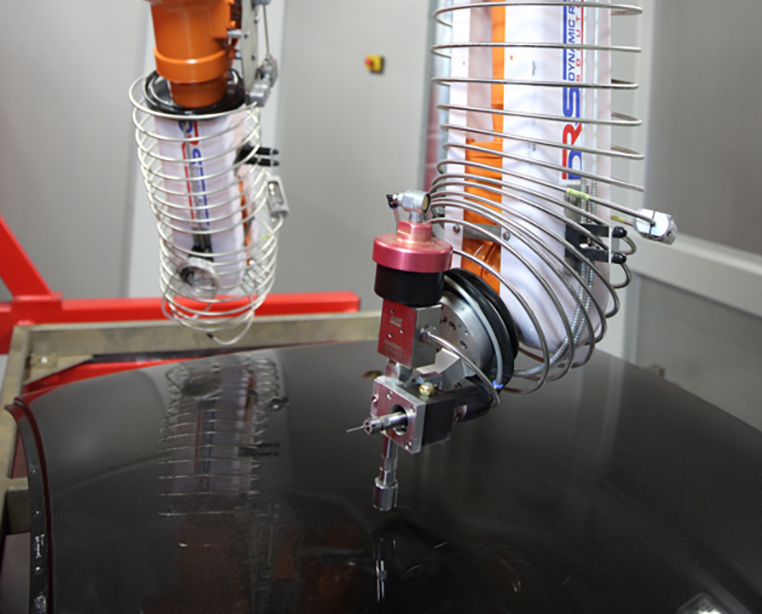
FAQS-KMT Waterjet FAQ-Robotic Cutting Waterjet Systems.
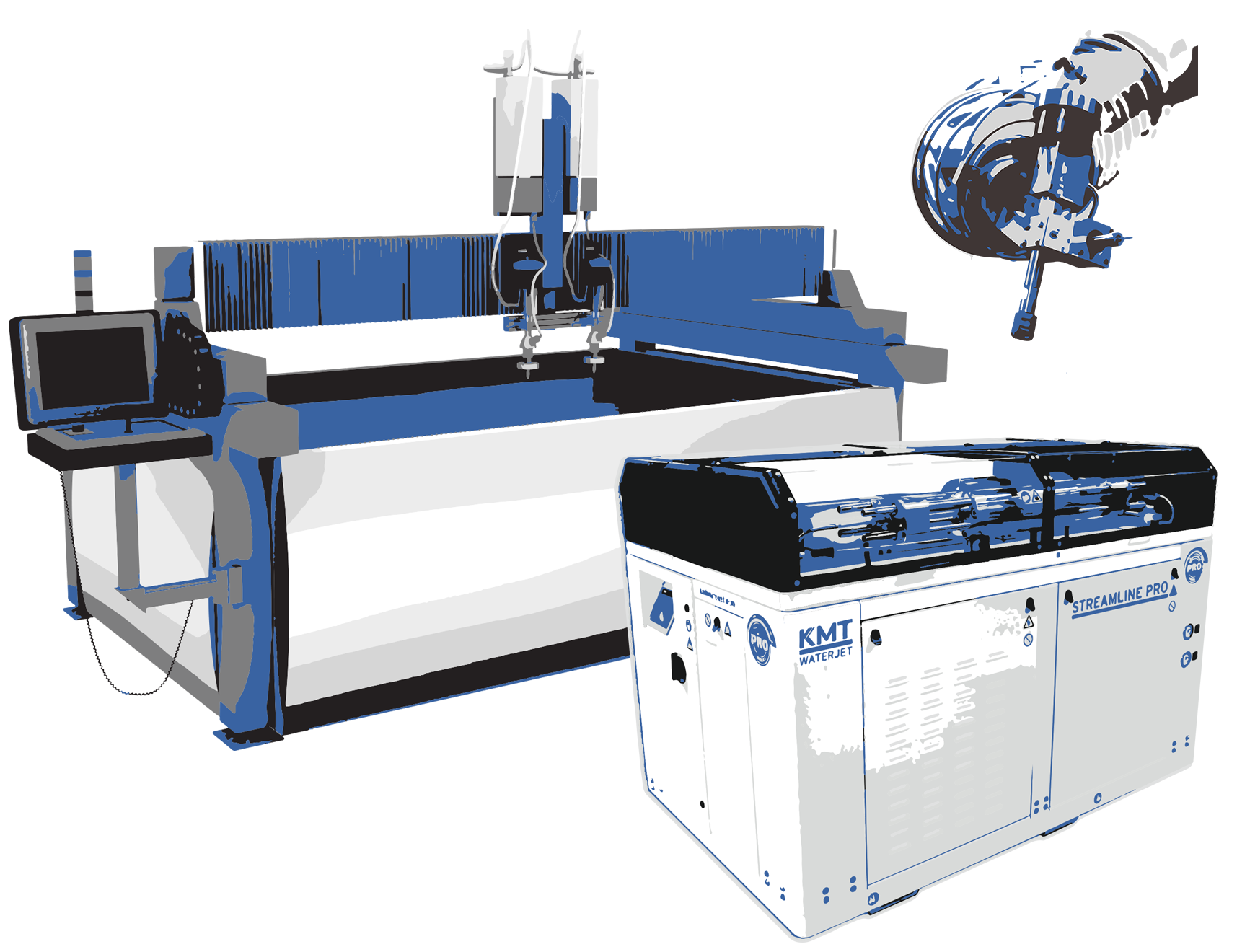
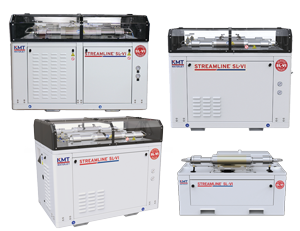
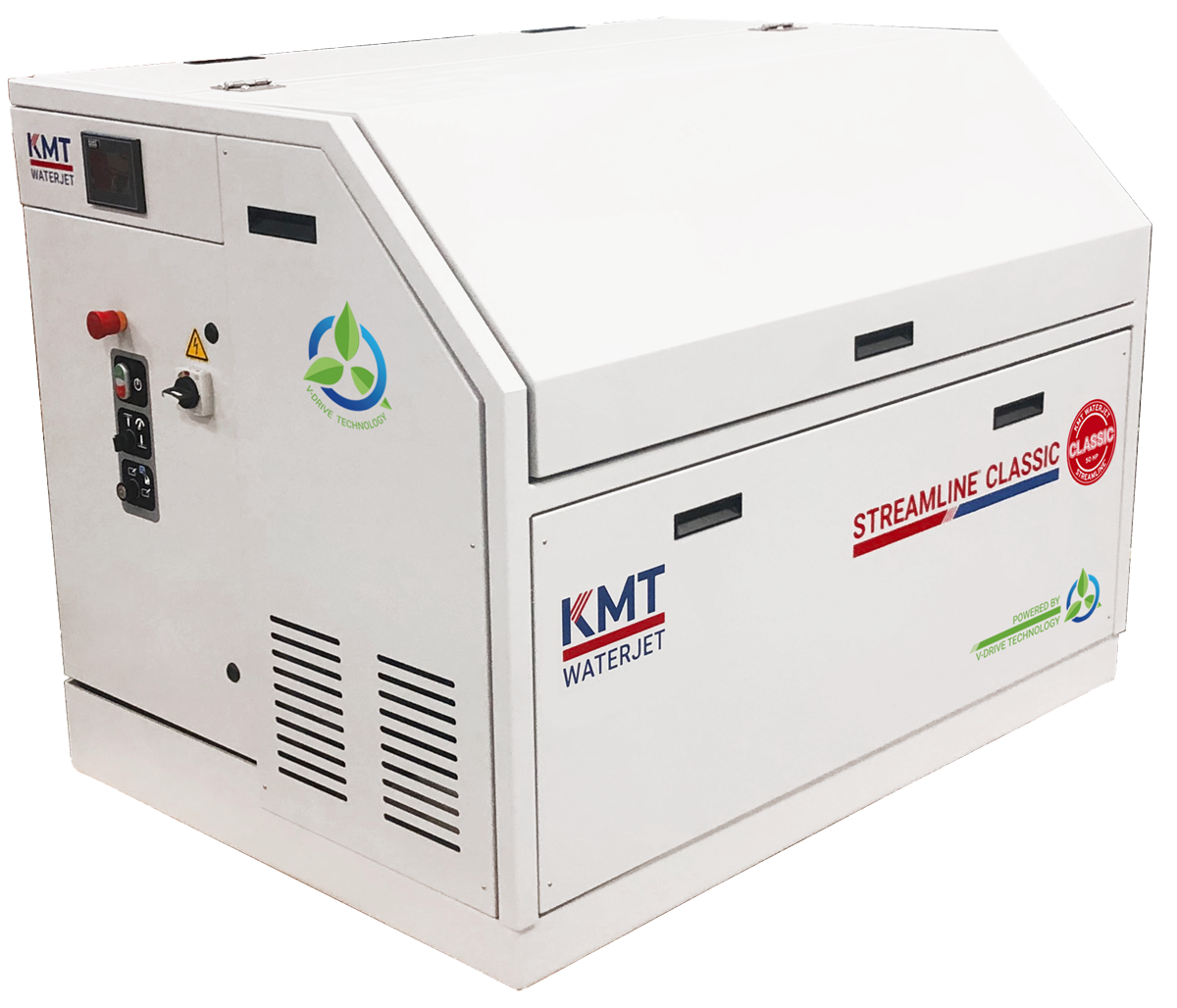
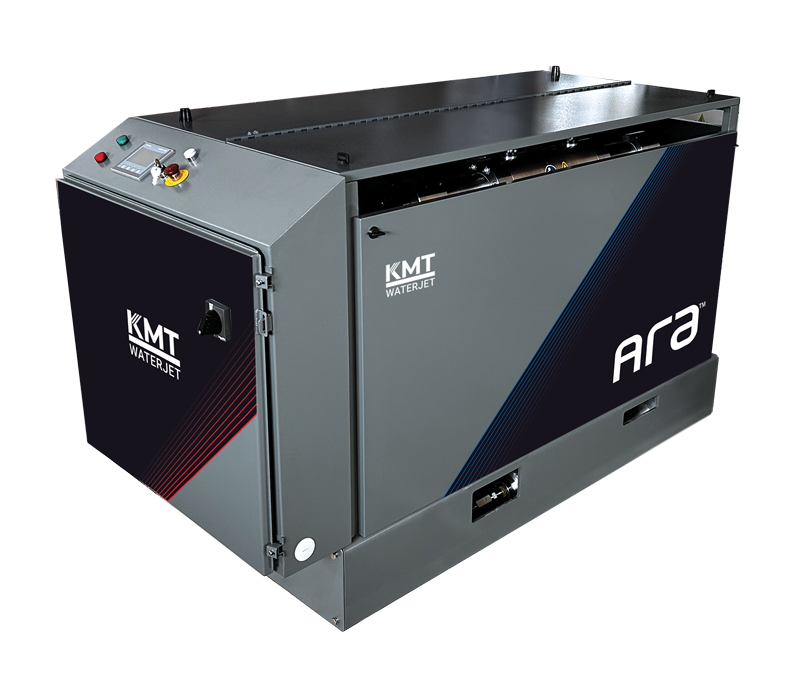
Waterjet cutting, powered by KMT Waterjet ultrahigh-pressure pumps from 6.200 bar-3.800 bar, has assisted manufacturers in watching their businesses grow.
Robotic waterjet cutting finds extensive use in both the aerospace and automotive industries for cutting various materials. Here are some examples:
Aerospace Industry:
Titanium Alloys: Used in aerospace components due to their high strength-to-weight ratio and corrosion resistance.
Inconel: A nickel-based superalloy known for its high temperature and corrosion resistance, commonly used in aerospace applications such as turbine blades and exhaust systems.
Ni-based Alloys: Similar to Inconel, nickel-based alloys are used in high-temperature aerospace applications.
Stainless Steels: Used for structural components and parts requiring corrosion resistance.
Composites: Aerospace-grade composites, including carbon fiber reinforced polymers (CFRP) and fiberglass, are often cut for various components like aircraft panels and structures.
Automotive Industry: 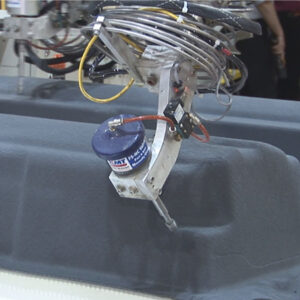
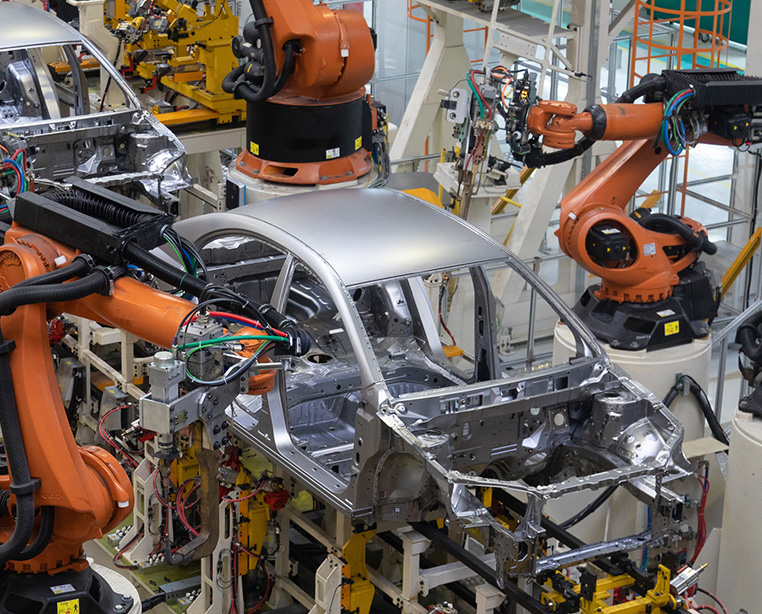
Sheet Metal: Robotic waterjet cutting is used for cutting automotive body panels and chassis components made of steel, aluminum, or other alloys.
Polymer Composites: Composite materials like fiberglass and carbon fiber are used in automotive body parts and interior components for their lightweight and high strength properties.
Rubber: Waterjet cutting is employed in cutting rubber components such as seals, gaskets, and tires.
Glass: For cutting automotive glass components such as windshields and windows.
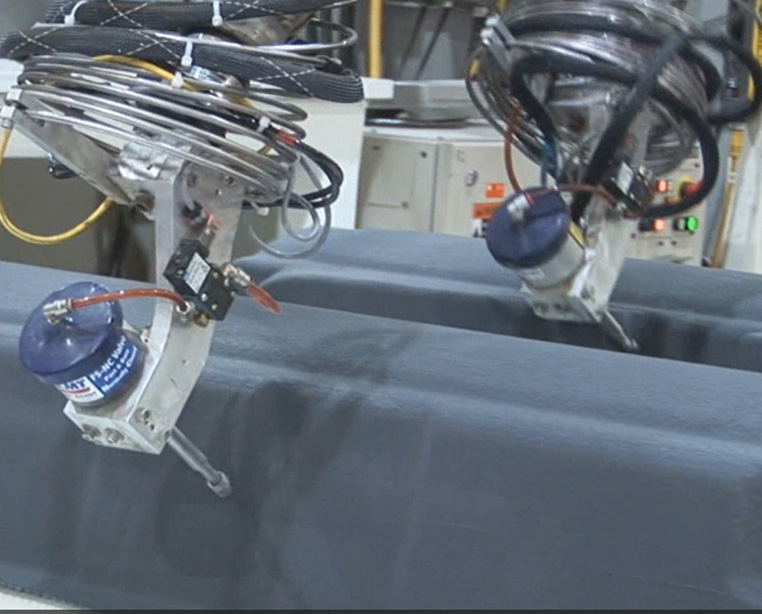
Textiles: Automotive interior components like carpets, car headliners and upholstery materials can be efficiently cut using robotic waterjet systems for precise fitting and finishing.
Waterjet robotic systems from SHAPE Process Automation, Auburn Hills MI USA, offer custom systems like traditional waterjet gantry systems, creating intricate cuts without causing heat damage or no heat affected zones (HAZ).
Here are commonly asked questions about the use of robotic waterjet cutting systems:
Q-How does a robotic waterjet system cut through titanium with ease?
A-A thin stream of water is mixed with abrasive garnet, then is propelled through a mixing chamber MACH II or MACH III velocity through a KMT Waterjet cutting head to be CNC motion programed for the robot to cut intricate designs.
Q-What is the significance of the SHAPE Process Automation system in robotic waterjet cutting?
A-The SHAPE Process Automation system is a 3D robotic abrasive waterjet machine (or with water only cutting heads for soft materials) capable of cutting at an impressive 6.200 bar making it highly effective for cutting a variety of materials like titanium and superalloys.
Q-What are some key advantages of using robotic waterjet machining in the aerospace industry?
A-Robotic waterjet machining offers advantages such as precise cuts with no heat-affected zone, minimal mechanical stress on parts, and the ability to cut a variety of materials including metals, composites, and even food.
Q-How does robotic waterjet cutting compare to traditional machining methods in terms of efficiency and cost?
A-Robotic waterjet cutting is faster, has lower operating costs, virtually no secondary finishing, with minimal material waste compared to plasma and laser cutting.
Q-What are some environmental benefits of robotic waterjet cutting?
A-This cutting process is chemical-free, generates no hazardous fumes, and produces minimal waste, making it an environmentally friendly machining solution.
Q-How does robotic waterjet cutting contribute to material savings?
A-Robotic waterjet cutting enables 3D nesting, common cut lines, and intricate detail cutting, leading to significant material savings compared to conventional machining methods.
Q-What additional applications of robotic waterjet systems are mentioned?
A- SHAPE Process Automation offers customized robotic waterjet systems for stripping coatings from turbine components and removing flashing from forged materials, among other applications in aerospace and industrial sectors.
Q-How does waterjet cutting technology benefit the boating industry? 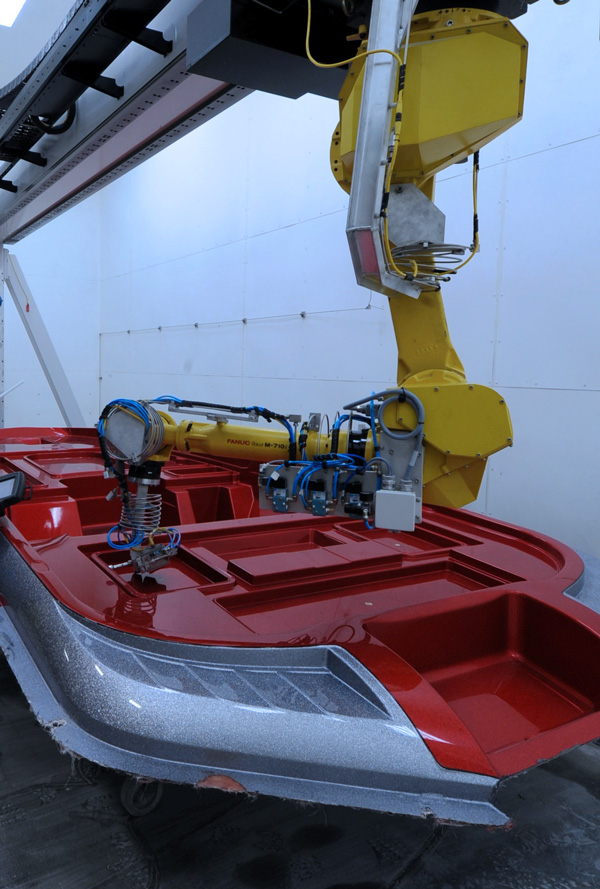
A-It provides precise cutting of fiberglass for boat components, contributing to efficient manufacturing processes.
Q-Can robotic waterjet systems handle continuous high-production demands?
A-Yes, with integration of KMT waterjet pumps and cutting heads, robotic waterjet systems can operate for over 18 hours a day, ensuring high productivity.
Q-What is the significance of the water pressure in robotic waterjet cutting?
A-Water pressure ranging from 60,000psi to 90,000psi allows for efficient cutting of thick materials like titanium and composites.
Q-How does robotic waterjet cutting contribute to material savings?
A-Robotic waterjet systems offer 3D nesting, common cut lines, and minimal kerf width, leading to significant material savings in manufacturing processes.
Q-What industries can benefit from robotic waterjet cutting technology?
A-Industries including aerospace, boating, automotive, energy, and manufacturing can benefit from the versatility and precision of robotic waterjet cutting.
Q-How do robotic waterjet systems contribute to the lightweighting of aerospace components?
A-By offering precise cutting without compromising material integrity, they enable the production of lightweight components, enhancing fuel efficiency.
Waterjet cutting, powered by KMT Waterjet pumps and cutting nozzle components, has been supplying manufacturers this cutting-edge technology, since waterjet machines were commissioned in 1971, in Baxter Springs, Kansas USA.
By harnessing the power of water, often with abrasives, complete waterjet machine or robotic systems offer fast, clean cutting with many benefits. They’re efficient, accurate, and environmentally friendly, thanks to the combination of the KMT pumps (to 6.200 bar) water’s force and robotic control. Waterjet robots can match the speed of traditional methods while making precise cuts without heat damage.
From aerospace turbine blades to automotive body panels, and applications like trimming carpets, cutting headliners, and cutting fiberglass, their versatility makes robotic systems, powered by KMT Waterjet pumps and components, indispensable tools in the manufacturing world, shaping the future of production integrated with SHAPE Process Automation’s robotic machines.